

Solving the messaging challenge for carbon removal
Inside Carbon180’s strategy to cut through confusion, fight misinformation, and make an invisible climate solution feel very real


Most Americans haven’t heard of carbon removal. And, given that it’s probably the most direct way to address the problem of global climate change, that’s a problem. It’s an especially big problem for Carbon180’s Director of Communications Jason Aul who wrote in a recent blog post, that 63% of Americans hadn’t heard of carbon removal at all. For someone whose job is building awareness (and trust) in a largely invisible climate solution, that figure needs to come down dramatically.
So, how can communicators define how an entirely new category shows up in the world? Aul spoke with The Cooler to share how Carbon180 is approaching that challenge, and what it will take to get it right. In this Q&A, he breaks down what people get wrong about carbon removal, why “hopeful alarm” beats doom and gloom, and how communicators can actually break through in today’s fragmented media landscape.
What’s your background? How did you come to work in carbon removal and climate comms?
I began my career in government affairs, but very quickly made the transition to communications and marketing, as it wasn’t just a better fit for my skillset, but it was also much more fun and engaging and impactful. Around the time of the Covid pandemic, I made the shift to working in the non-profit field. It started as working for a technology nonprofit focused on freedom of information and unfiltered access to the internet globally, quickly transitioning to me working for a climate nonprofit, the Maryland League of Conservation Voters prior to my start with Carbon180. I’ve been incredibly lucky to have worked in the climate space and am eagerly looking forward to many years more.
What is your north star or guiding principle for Carbon180’s communications & messaging?
My personal North Star and guiding principle is very simple: it’s meeting people where they are. That means writing for specific audiences, but more importantly, getting those messages and information to people through the platforms and mediums that they prefer. It means an all-encompassing strategy that not just touches on traditional media, but focuses largely on newer platforms, on social media, and on different ways to engage people, given how fractured media has become.
From your experience, what are the most common misconceptions among journalists, policymakers, or the public about carbon removal. How do you counter them effectively?
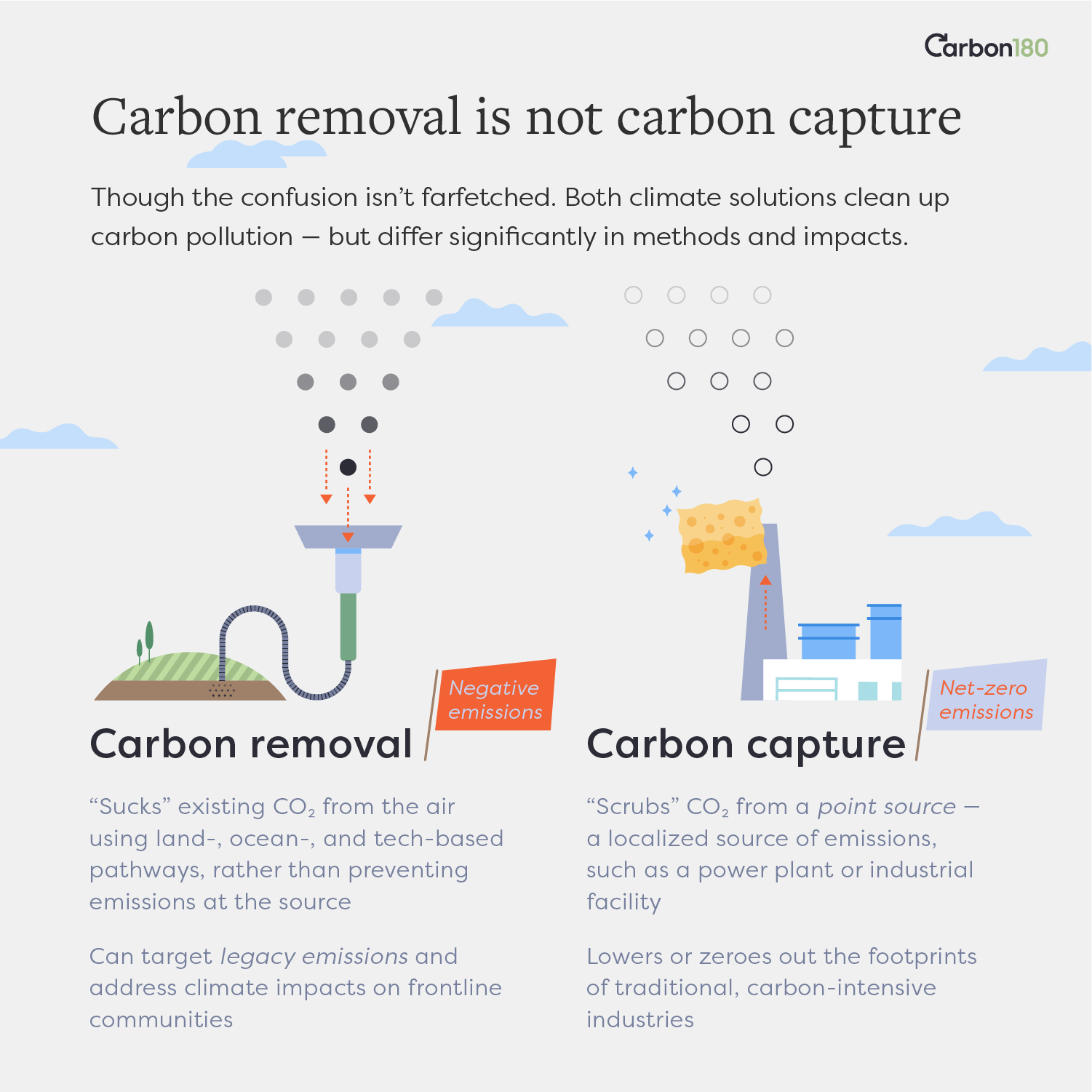
The most common misconception, by a long shot, is confusing carbon removal with carbon capture, despite the fact that they are two very different things. One of the ways to counter that misconception effectively is first explaining what carbon removal is versus carbon capture, but also positioning it as a complementary aspect of the fight against climate change. We can’t simply reduce emissions to get us to our climate goals. We must also have carbon removal. It is essential, it is necessary, and it is needed now. What we’re building now will set us up for success in the years to come.
What keeps you up at night when thinking about the future of communicating carbon removal?
Battling misconceptions. With the different ways people consume media in 2026, there are far too many places for people to read skewed thoughts and opinions on actual news related to climate action. And this is only made worse by climate denialism, among other things. Combating this really means not just beating the misconceptions, but reaching people in a way that they can conceptualize and find tangible the work that we’re doing. It makes me really love how much of a focus we have on people in communities, because fundamentally that is what this is for. Them having a voice at the table, them being informed by what we put out, them being engaged in the process to bring carbon removal solutions to different communities is downright essential.
In your recent blog post, you described carbon removal as largely “invisible”. How does that invisibility shape the communications strategy you’re pursuing at Carbon180, and what advice would you give to others?
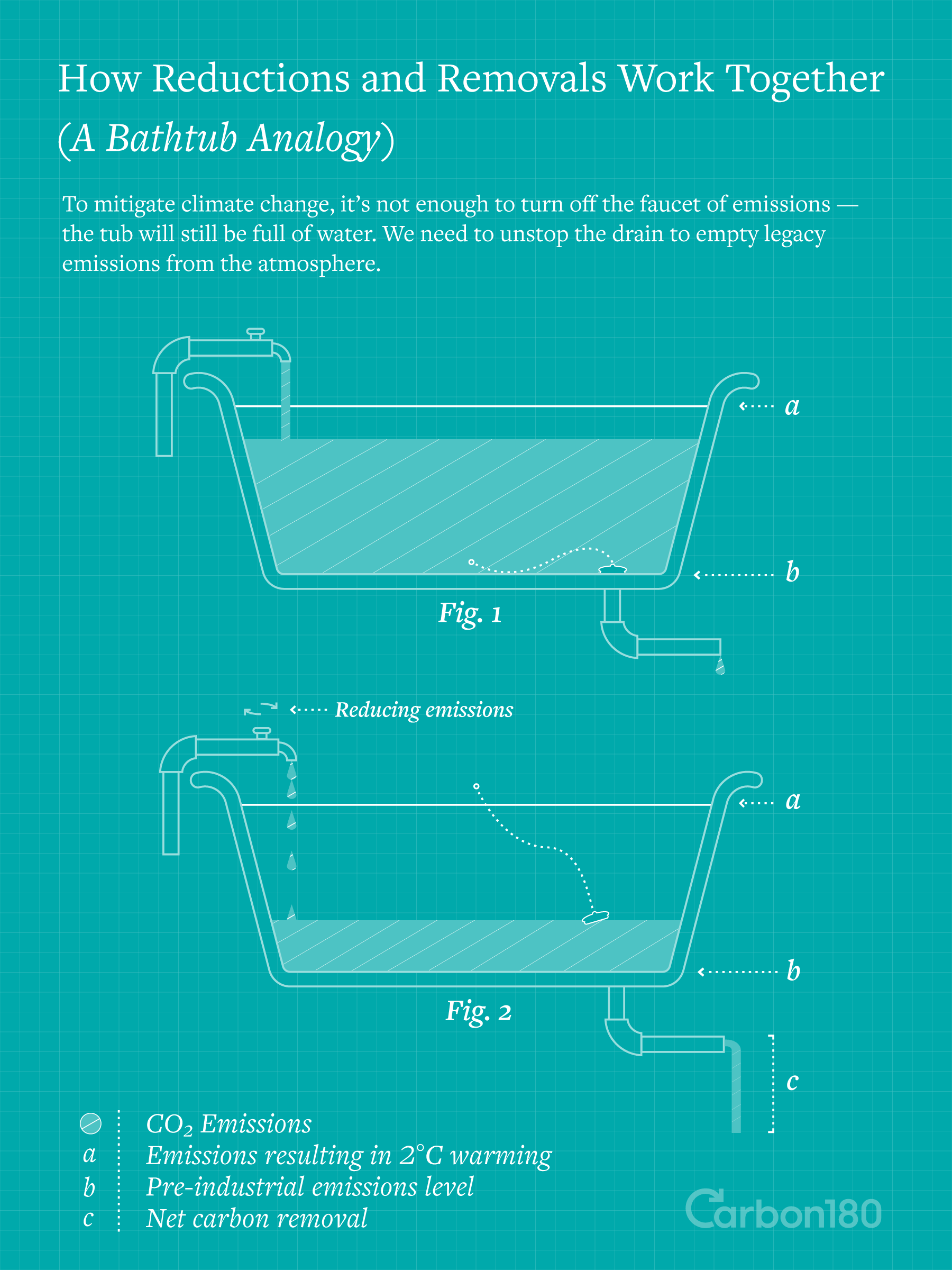
There’s certainly a lot of negatives with carbon removal being seen or being viewed as invisible. It also presents us with an insanely unique opportunity to shape the messaging beyond the carbon removal field. More importantly, it gives us the flexibility to discover ways that the messaging can work better for different types of audiences. We know what people care about. We know what they’re looking for when it comes to climate solutions or even just climate change in general. We know that this is one of many existential dreads that people across the world have. Yet we are oddly privileged to be working for a new field that provides a significant part of the solution to climate action. Emissions reductions and carbon removal go hand in hand. While the carbon removal side of the coin is largely an unknown, it gives us the chance to make it known through any type of comms or marketing action we decide. We’re effectively given the clay to mold messaging efforts in any way we believe will work.
Given the trust gap between scientists and politicians, how does Carbon180 cultivate trust with both policymakers and the general public, and what mistakes have you seen others make in this space?
We make it tangible, meaning we bring it down to an individual’s level. We make things as easy to understand as possible, also providing at length significant detail and strategy and planning for how to implement certain policies and how to engage with various stakeholders in the carbon removal field, whether it be individual communities or people, scientists, implementers, policy makers, and anything that goes with it. The problem is, especially with detractors, the science is often conflated with inherent proof that climate change is real. While yes, of course, those who work in the climate space know this to be true, there is still a significant amount of people in the United States that do not believe it to be true.
The biggest mistake I’ve seen is forcing that issue, as in forcing people to acknowledge and understand that issue. However, what I’ve seen work is describing what not just what we’re doing, but what various climate action organizations are doing, without making strict, explicit ties to climate change. What this means is providing the practical, on-the-ground benefits of anything we’re doing. It means sharing the economic benefits. It means really telling people this is a public good and not just a nice to have to fight climate change. It also means engaging with policymakers to the level that they can truly see the benefit of our work in their districts or in their states. To borrow a phrase, “all politics is local.”
Personal stories can be incredibly powerful in climate communications, especially to make abstract solutions/tech tangible and engaging. What is your storytelling approach?
Personal stories and examples of how communities benefit or are seeing potential benefits from any carbon removal or climate action policy Is simply put one of the easiest ways to make abstract solutions and technology both tangible and engaging. If the individual who reads these stories, who hears our communications regarding carbon removal, and they can see themselves in that situation, they can see the tangible benefit if something like that were to come to their community or were implemented at scale, that is where the power lies. The storytelling is what gets us there.
You caution against “apocalyptic framing” and advocate for “hopeful alarm.” How do you strike the balance between urgency and empowerment when communicating a complex and technical topic like carbon removal?
You can have a balance between urgency and hope while completely avoiding an apocalyptic framing. The balance is getting people to understand that if we do not act now, then we are set up for failure in the future in trying to combat the worst of climate change. We don’t go into the specific details of what that means for communities on the coast, what it means for farmers, what it means for anybody in regards to climate change. What we do, however, is tie those groups, those individuals, to the tangible benefit that carbon removal itself provides outside of the scope of climate change. Yes, we do not shy away from talking about climate change, but we have to know our audience, and that is incredibly key to striking that balance of urgency and empowerment.
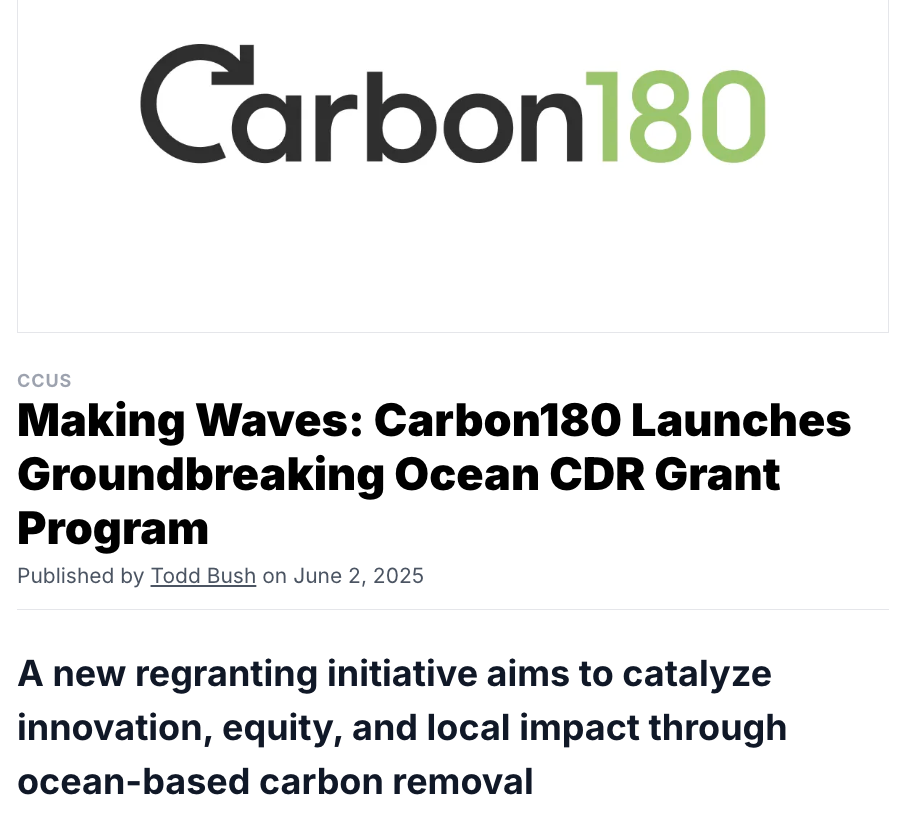
Let’s talk about community-centered narratives. With initiatives like Making Waves, you’re working with local storytellers and community-based organizations. How do you ensure that these voices remain central, and what lessons have emerged about what resonates with communities vs. policymakers?
Ensuring that voices remain central is ensuring that those voices have the agency to speak for themselves. We provide the opportunities to engage with a broader audience, engage with media, and engage with us for better and broader communications of what is going on at the local level. This is something that is reflected throughout the entire organization at Carbon180.
Community-centered narratives start and stop with the community. We are not out there to force the issue for them. What we’re doing is giving them the power and the capability to be part of the process in a way they best see fit. This allows us to ensure that voices remain central because it’s something we don’t shy away from. We don’t try to take the spotlight when it is not ours to take. We want to make sure that everyone knows that the work we’re doing is centered around people and equity and justice.
Given the collapse of traditional communications models, what would you advise other climate communicators to do differently in 2026 and beyond?
Learn how to write for many more audiences. You have to understand that even social media itself is so fractured. What you post on one platform may not be the same thing that resonates on another platform. This obviously has been the case for how you communicate with different mediums for years and years, but we’re at a point now where, because of this fractured media environment, we’re not just fighting for attention; we’re fighting against falsehoods. We’re fighting against misconceptions and we’re fighting against pure lies.
The best advice is to know your audience. More specifically, know how they would like to be approached and reached. It means not lying about what you do, but only talking about the aspects that matter to the different group you’re talking to. It also means being incredibly fluid and not afraid of failure. This is a really unique time in media and communications where, if you try something and it doesn’t land or it doesn’t work, or even if it upsets a few people, you can try again with limited to no consequences. It gives you a chance to test different ways of speaking and talking to the issues. It gives you a chance to test how people react to different methods of communication. It gives organizations a chance to be creative and try new things and break out of the mold that we’ve seen for years and years when it comes to communicating these issues.
“This is a really unique time in media and communications where, if you try something and it doesn’t land or it doesn’t work, or even if it upsets a few people, you can try again with limited to no consequences.”
What gives you hope, and where do you see the biggest opportunities ahead for carbon removal?
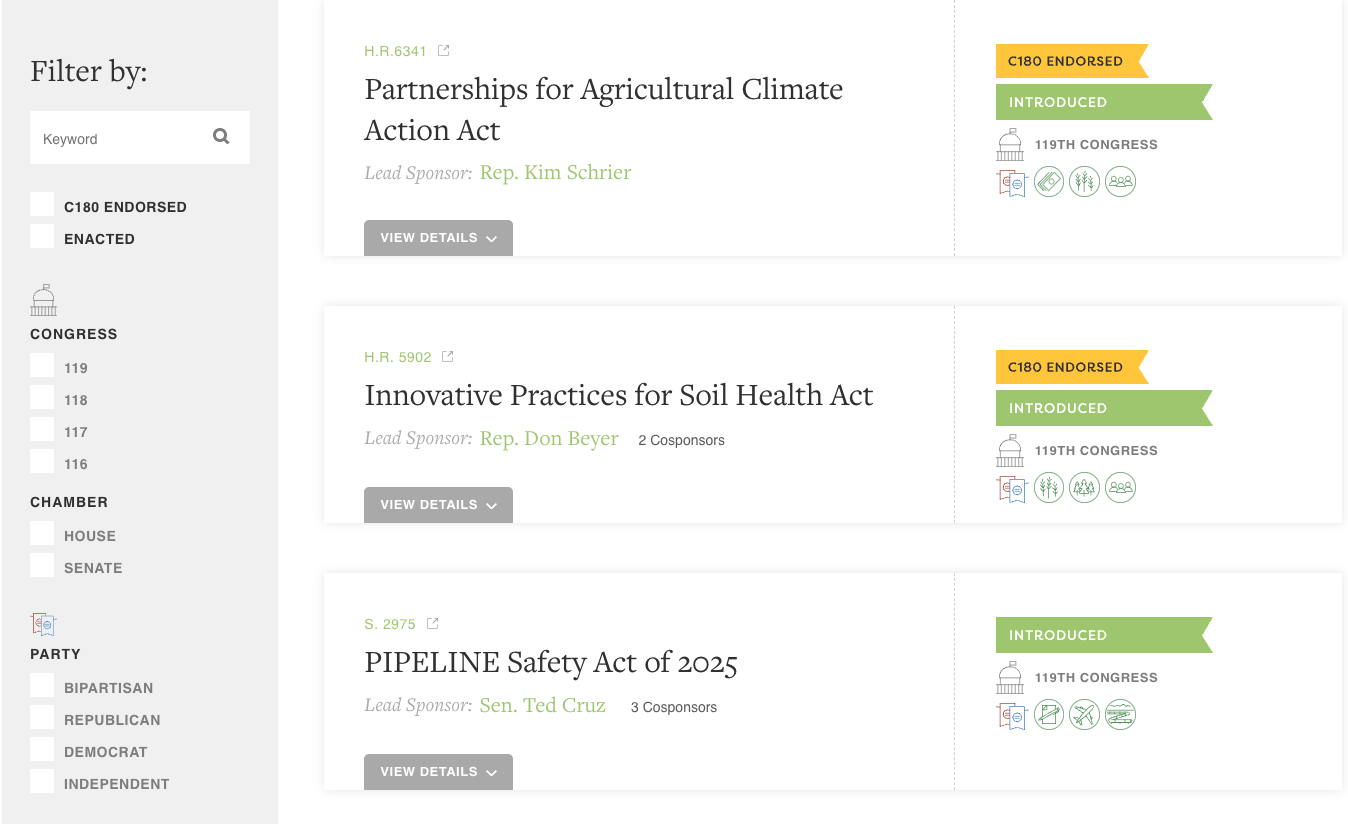
What gives me hope is that it’s still a new field, and it’s a new field that still has a lot of interest and bipartisan support. What gives me hope is that there is a very defined and incredible interest in not just the results of carbon removal years from now, but what it actually means to local communities and how the work truly exemplifies equity and justice. I see an opportunity to shape the narrative not just about carbon removal, but about what solutions to climate change actually look like. It provides an opportunity to show a solution that is a public good, that is something that is a net positive to communities. It also provides a new way to frame climate action and the fight we have in the years to come. Non-profits and activists for years have been beating the drum on emissions reductions, renewable energy, and electrification of vehicles and other infrastructure. Because of this, there’s also been time for plenty of counterarguments to emerge that muddy the waters and make action in those areas much more difficult. Carbon removal, as a new field, has a chance to move quickly without such distractions in place.
Check out Jason’s full blog post here: Communicating Carbon Removal in a Fractured Media Landscape
Finally… here are some of the stories we’ve been telling:
🍳Plugging into cleaner cooking
You know the energy system needs an overhaul when a single gas valve failure can leave residents without a working stove for years. The Guardian covered this reality and how Copper is trying to fix it. The company recently won a $32M New York City contract to bring its battery-powered induction stoves to NYCHA public housing, starting with a 100-unit pilot before scaling to 10,000 apartments. The stoves plug into standard outlets, so no expensive electrical rewiring required in buildings that were never designed for electrification.
⚛️The AI helping California’s last remaining nuclear plant run more efficiently
Keeping operations at the Diablo Canyon Power Plant running efficiently means navigating billions of pages of regulatory documentation. Business Insider covered how Atomic Canyon‘s Neutron Enterprise is tackling that problem on-site, marking the first-ever commercial deployment of generative AI at a U.S. nuclear facility. Trained on millions of NRC documents and built in collaboration with Oak Ridge National Laboratory, the system cuts document retrieval from hours to seconds.
⚡$450M and a dream of commercial fusion
Inertia co-founder Mike Dunne put it plainly in The Independent: the fusion industry needs coordination, confidence-building, and a local ecosystem that can actually support scale. Inertia is betting Livermore is that place. The company is building its new production facility steps from the Lawrence Livermore National Lab research that inspired its approach, with the goal of achieving a utility-scale fusion power plant in the 2030s.
🪨 AI yearns for more efficient mines
Clean technologies rely on critical minerals like copper, but everyday tons of these minerals are being wasted because mines lack visibility in what they’re digging up. Mining Magazine recently covered how MineSense is bridging that gap. Its ore-sorting technology helps mines recover more material from every scoop, making the whole process much more efficient and sustainable.